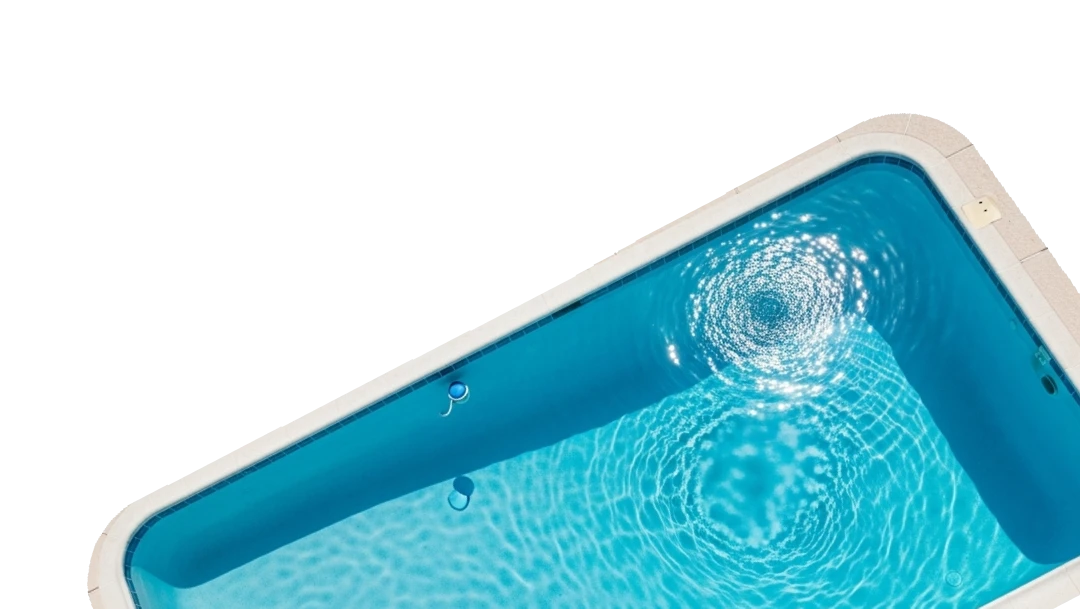

Your Guide to Maintaining a Salt Water Pool
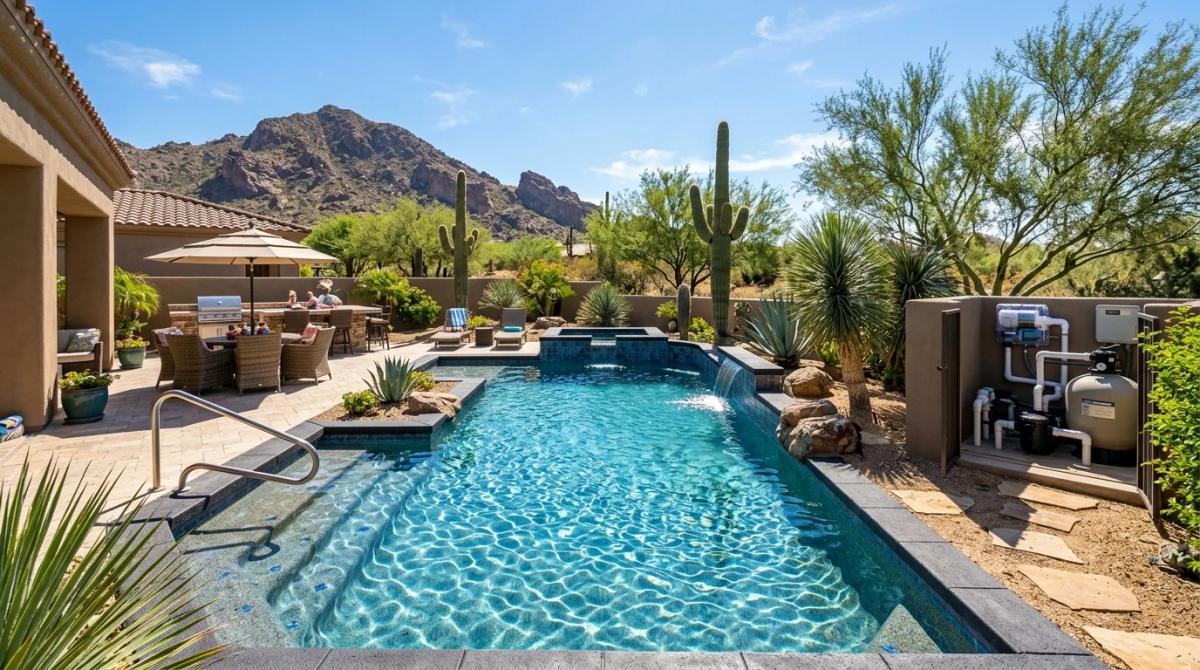


A lot of pool owners in Scottsdale are making the switch. They are trading their chlorine pool for a salt water pool. And it is easy to see why. The water feels softer. The smell is gone. And the pool is easier to maintain over time.
But a saltwater pool is still a pool. It needs care. If you skip the basics, you will end up with cloudy water, a worn-out salt cell, or worse. This pool maintenance guide walks you through everything you need to know about maintaining a saltwater pool the right way.
Optimal Pool Care is a trusted pool company in Scottsdale, AZ. We offer salt water pool system install, pool care, and full swimming pool service. Call us at (480) 628-1992 for help with your salt pool or any pool needs.
How Does a Salt Water Pool Work?
A salt water pool uses a salt system to keep your pool clean. Here is the short version:
- You add salt to your pool water.
- The water flows through a salt cell (also called a salt chlorine generator or salt water chlorinator).
- The salt cell turns dissolved salt into chlorine using a small charge.
- That chlorine spreads throughout the pool to sanitize the water.
So yes, a saltwater pool is still using chlorine. The difference? The chlorine comes from the salt, not from a jug of liquid chlorine or tablets. The salt water generator does the work for you.
This is why many salt water pool owners say their pool is easier to maintain compared to a traditional chlorine pool. You do not need to add the same amount of chlorine by hand. The salt system handles the day-to-day chlorine output.
Salt Water Pool vs Chlorine Pool: What is the Difference?
If you are thinking about making the switch from a chlorine pool to salt water, here is a quick side-by-side look:
| Feature | Salt Water Pool | Chlorine Pool |
|---|---|---|
| How Chlorine is Made | Salt cell turns salt into chlorine | You add liquid chlorine or tabs by hand |
| Water Feel | Soft, smooth, gentle on skin and eyes | Can dry skin and sting eyes |
| Smell | Little to none | Strong chlorine odor at times |
| Upkeep | Easier long-term care | More hands-on with chemicals |
| Upfront Cost | Higher (salt system install) | Lower to start |
| Long-Term Cost | Lower (less chemical buying) | Higher over time |
The bottom line? A salt water pool vs a traditional chlorine pool comes down to comfort and ease. Most pool owners who make the switch never go back.
How to Check Your Salt Level
The salt level in your pool is the foundation of the whole salt system. If it is too low, the chlorine generator will not make enough chlorine from the salt. Too high, and you may need to add fresh water to dilute it.
Here is how to check your salt level:
- Use salt test strips. These are cheap, fast, and easy. Dip a strip in the pool water, wait a few seconds, and read the result.
- Use a digital salt test tool. More precise than strips. Great if you want exact numbers.
- Use the Pool Math app. This free app helps you track salt level, chlorine level, and other pool chemistry in one place.
- Use a full test kit. A good test kit covers salt, free chlorine, pH, and more. We suggest testing weekly.
The ideal range for a salt water pool is usually 2,700 to 3,400 ppm (parts per million). Always check your salt cell maker's guide for the exact range for a salt system like yours.
"Test your salt levels at least once a week. Small changes are easy to fix. Big swings are not." - Optimal Pool Care
How Much Salt Does Your Pool Need?
How much salt you need to add salt depends on your pool size and current salt level. Here is a rough guide:
| Pool Size (Gallons) | Amount of Salt to Reach 3,200 ppm |
|---|---|
| 10,000 | About 267 pounds of salt (roughly 7 bags of salt) |
| 15,000 | About 400 pounds of salt (roughly 10 bags) |
| 20,000 | About 534 pounds of salt (roughly 13 bags) |
| 30,000 | About 800 pounds of salt (roughly 20 bags) |
A standard 40lb bag of salt costs just a few dollars at most home stores. When you add the salt, pour it directly to the water around the edges of the pool. Let it sit with the pool pump running so it spreads throughout the pool. Do not dump it all in one spot or let it sit at the bottom of the pool.
You may need to add salt after heavy rain, after you drain and add fresh water, or any time a significant amount of water leaves the pool. Always test before you add. The goal is to add enough salt to get back into the right range without going over.
Keeping Your Salt Cell Clean
The salt cell is the heart of your salt water systems. It is the part that turns salt to chlorine. Over time, calcium and scale build up on the cell plates. If you do not clean it, the cell works harder and wears out faster.
Here is how to keep it in good shape:
- Inspect the salt cell every 3 months. Look for white, flaky buildup on the plates.
- Use a salt cell cleaner. Soak the cell in a mild acid wash to remove scale. Follow the maker's guide.
- Replace your salt cell when needed. Most cells last 3 to 7 years. When output drops and cleaning does not help, it is time for a new salt cell.
Keeping your salt cell clean means your chlorine generator runs well. You get steady free chlorine in the pool. And you avoid costly early replacement.
Salt Water Pool Maintenance Checklist
Saltwater pool maintenance is not hard. But it does take a routine. Here is a simple checklist for salt water pool owners:
Weekly Tasks:
- Test the water for salt level, free chlorine, and pH using a test kit or salt test strips
- Check your salt cell output on the control panel
- Clean the pool filter basket and skimmer
- Brush walls and floor around your pool
- Run the pool pump at least 8 hours a day
Monthly Tasks:
- Test and balance pool chemicals including alkalinity and calcium hardness
- Inspect the salt cell for scale buildup
- Check water temperature (salt cells work best above 60 degrees F)
- Clean or backwash the pool filter
Every 3 to 6 Months:
- Deep clean the salt cell with a salt cell cleaner or acid soak
- Check pool equipment for wear, leaks, or odd sounds
- Have a pool company like Optimal Pool Care do a full pool system check
This routine will keep your salt water pool balanced, your water clean, and your pool and spa gear running strong.
Common Mistakes Salt Water Pool Owners Make
Even using a saltwater pool does not mean it is maintenance free. Here are some common mistakes we see:
- Not testing enough. You still need to test the water every week. A salt pool still has chlorine, and the chlorine level can drift.
- Forgetting to add salt. Rain, splash-out, and backwash all pull water from the pool. You lose salt with that water. Check your salt and add salt when it drops.
- Ignoring the salt cell. A dirty cell means less chlorine output. Inspect and clean it on schedule.
- Running a salt system with low water flow. Make sure your pool pump runs long enough and that the pool filter is clean. Low flow means weak chlorine output.
- Not watching water temperature. Salt water systems slow down in cold water. When the water temperature drops, you may need to add chlorine by hand to keep your water safe.
How to Convert a Chlorine Pool to Salt Water
Want to convert to a salt water pool? It is simpler than most pool owners think. Here is the basic process:
- Pick your salt water generator. Choose a chlorine generator sized for your pool. A pool company like Optimal Pool Care can help you pick the right salt water chlorinator for your pool system.
- Install the saltwater system. The salt water generator ties into your pool plumbing near the pool pump and pool filter. A pro should handle this to make sure it is done right.
- Add the salt. Once the system is in place, add enough salt to your pool to reach the right level. Pour bags of salt around the pool edge and let the pump run to dissolve the pool salt.
- Test and adjust. Use a test kit or the Pool Math app to check your salt level and free chlorine. Adjust the chlorine generator output until you hit the right chlorine level.
- Enjoy. Your pool water will feel softer, smell better, and be easier to maintain.
The total cost to convert depends on your pool size and the salt water generator you pick. Call Optimal Pool Care at (480) 628-1992 for a free quote on salt system install.
Maintain Your Salt Water Pool with Optimal Pool Care
Running a salt water pool in Arizona comes with extra challenges. The heat, dust, and hard water around the pool all affect your pool water. That is why keeping your salt water pool in top shape matters.
Optimal Pool Care helps Scottsdale pool owners with everything from new salt system installs to full saltwater pool maintenance. We test and balance pool chemicals, inspect the salt cell, clean your pool equipment, and keep your pool clear all year.
Whether you are a new salt water pool owner or you have been using a saltwater pool for years, our team has the know-how to help. We serve Scottsdale, Phoenix, Tempe, Mesa, Gilbert, Chandler, Paradise Valley, Fountain Hills, and Cave Creek.
Call Optimal Pool Care at (480) 628-1992 or get a free quote today.
Optimal Pool Care 901 Hayden Rd, Scottsdale, AZ 85257 Phone: (480) 628-1992 Website: optimalpoolcare.com


Pool Leak Solutions For You
See all services
- Green Pool Cleanup Services
- Pool Acid Washing
- Pool Cleaning Services
- Pool Deck Repair Services
- Pool Filter Repairs & Replacements
- Pool Leak Detection
- Pool Lights Repair & Replacement
- Pool Remodeling Services
- Pool Repair Services
- Pool Replastering Services
- Pool Tile Repair & Replacement
- Pool Vacuum Repair
- Salt Water Pool System Installation & Maintenance
- Swimming Pool Pump Repair

Ready for Pool Service?
Claim Your Free Quote Now!