
Pool Replastering Services
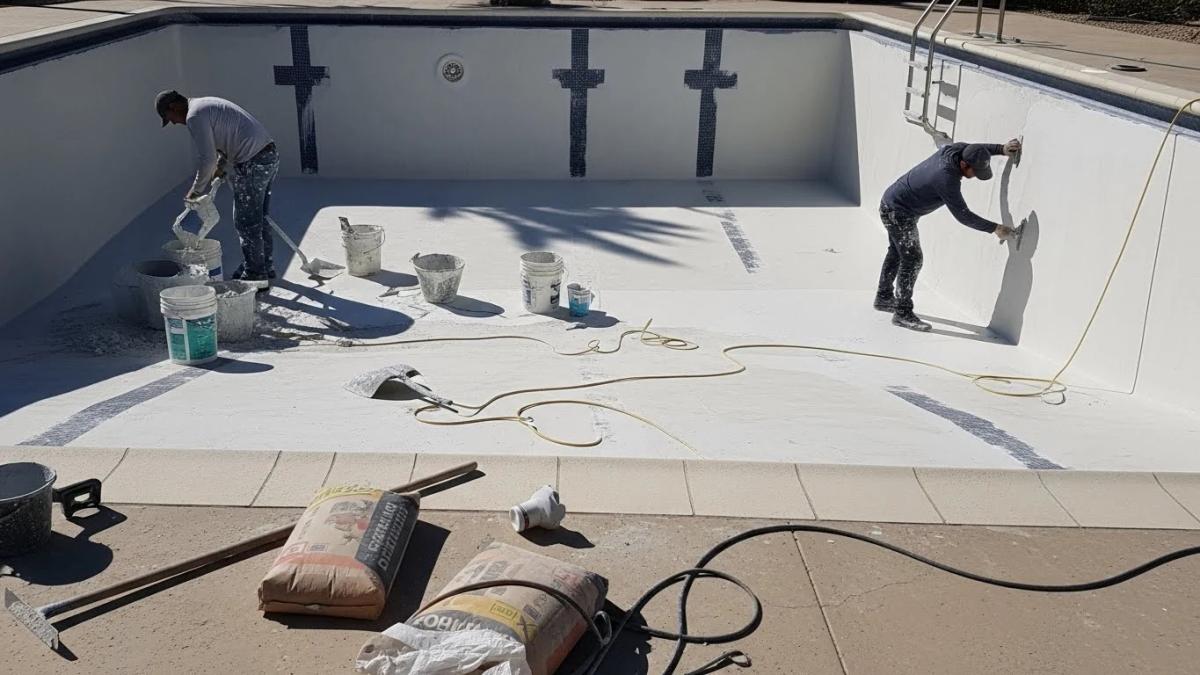
Over time, pool plaster can begin to crack, fade, or become stained. These issues not only affect the appearance of your pool but can also impact its durability and comfort. Pool replastering is the solution to restore strength, improve longevity, and refresh the overall look of your swimming pool.
With years of use, exposure to chemicals, and natural wear, plaster surfaces eventually need attention. Replastering your pool replaces the worn surface with a new layer of plaster, increasing durability while reviving the color and finish of your pool.
Does Your Pool Need Replastering?
Replastering may be recommended if:
- Plaster is cracked, chipped, or rough
- The surface appears dull, faded, or stained
- Discoloration cannot be removed with cleaning or acid washing
- The pool surface feels uncomfortable underfoot
Addressing these issues early helps prevent further damage and extends the life of your pool.
Why Choose Pool Plaster?
Plaster has been a trusted pool surface material for decades and remains a popular choice for both residential and commercial pools. It is one of the most cost-effective interior surfacing options available while still offering proven durability.
With proper maintenance, a plaster pool surface can last 15–20 years, making it a long-term investment that adds value and reliability to your pool.
Benefits of Pool Replastering
- Increases strength and surface durability
- Revives the appearance and color of the pool
- Cost-effective resurfacing option
- Long-lasting performance with proper care
Plaster is highly resistant to pool chemicals when water chemistry is properly balanced. Maintaining correct chemical levels is essential for preserving the lifespan of the plaster and preventing premature wear.
Professional Pool Replastering & Surface Options
Professional replastering ensures proper preparation, application, and curing of the new surface. Homeowners are guided through available surface options so they can select the finish that best suits their pool and preferences.
Once replastering is complete, ongoing cleaning and maintenance services help protect the new surface and keep water chemistry balanced—ensuring your pool remains clean, comfortable, and visually appealing for years to come.
Pool replastering does more than improve appearance it restores durability, comfort, and long-term performance.
Other Pool Care Services For You
See all services
- Green Pool Cleanup Services
- Pool Acid Washing
- Pool Cleaning Services
- Pool Deck Repair Services
- Pool Filter Repairs & Replacements
- Pool Leak Detection
- Pool Lights Repair & Replacement
- Pool Remodeling Services
- Pool Repair Services
- Pool Tile Repair & Replacement
- Pool Vacuum Repair
- Salt Water Pool System Installation & Maintenance
- Swimming Pool Pump Repair
Ready for Pool Service?
Claim Your Free Quote Now!